
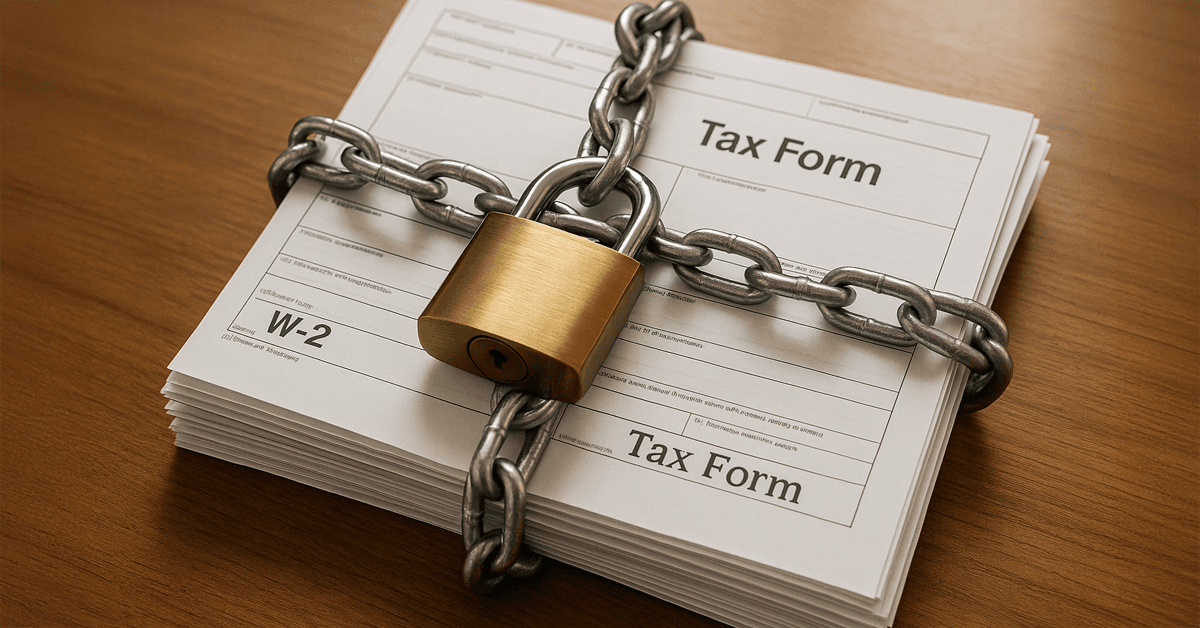
February marks the peak of tax season. As accountants and bookkeepers gather documents and tackle deadlines, the focus sharpens on W-2s, 1099s, and all manner of tax forms.
But here's a hidden danger many overlook: the real tax season headache often starts not with paperwork, but with a fraudulent scam.
One particularly insidious scam surfaces well before April — it's simple, convincing, and directed at small businesses. It could already be lurking in someone's inbox at your company.
Inside the W-2 Scam: What You Need to Know
Here's how the scam unfolds:
An employee—often in payroll or HR—receives what appears to be an urgent email from the CEO, owner, or senior executive.
The message is brief and pressing:
"I need copies of all employee W-2s for an upcoming meeting with the accountant. Please send them ASAP—I'm swamped today."
The tone is believable and routine. With tax season underway, the rush feels natural, making the request appear entirely legitimate.
So, the employee complies and sends the W-2s.
But the email wasn't from the CEO. It was sent by a criminal using a forged address or a deceptive domain.
That fraudster now holds sensitive data for every employee, including:
• Full legal names
• Social Security numbers
• Home addresses
• Salary details
With this information, identity theft becomes devastatingly easy, allowing criminals to file fraudulent tax returns ahead of your employees.
The Aftermath: How You Discover the Breach
Typically, victims become aware when:
An employee files their tax return and receives a rejection message: "Return already filed for this Social Security number."
Somebody else has already submitted a tax return in their name and claimed their refund.
Suddenly, your employee faces the daunting process of dealing with the IRS, enrolling in credit monitoring and identity theft protection, and managing months of paperwork—all triggered by an email they never should have trusted.
Multiply this risk across your whole workforce. Then consider the challenge of restoring trust when sensitive personal information was compromised due to falling for a fake email.
This isn't simply a security breach—it's a crisis of confidence, an HR dilemma, a potential legal liability, and a threat to your company's reputation.
Why This Scam Is So Convincing
This scam doesn't resemble the obvious "Nigerian prince" fraud.
Its effectiveness lies in several key factors:
The timing is impeccable. W-2 requests naturally rise in February, so no one questions why someone would ask for them.
The request is believable. Unlike demands for wire transfers or gift cards, sharing W-2s during tax season is routine.
The urgency feels authentic. A frantic email saying "I'm slammed today, please send this quickly" fits perfectly in a busy office environment.
The sender appears genuine. Cybercriminals take time to research your company, knowing executive names and even accountants, making their messages highly convincing.
Employees are eager to assist, especially when it seems to come from the boss. This sense of urgency often trumps cautious verification.
How to Shield Your Business Before This Scam Strikes
The encouraging news is that these scams can be stopped with clear policies and a vigilant culture—not just complex technology.
Establish a firm "no W-2s via email" policy. Without exception, sensitive payroll documents must never be emailed outside your secure networks. If anyone requests these by email, the answer must be a firm "no," even if it appears from the CEO.
Confirm every sensitive request through a separate communication channel—call, in-person conversation, or internal chat—using verified contact information, not numbers provided in the suspicious email. Spending 30 seconds on this verification can prevent months of complex fallout.
Hold a brief, focused tax scam training session immediately. Educate payroll and HR teams about the surge in scams, how to identify them, and protocols for responding. Awareness is your best defense.
Strengthen security on payroll and HR systems by enabling multi-factor authentication (MFA) on all access points containing employee data. MFA acts as a vital barrier if credentials are compromised.
Foster a company culture where verification is valued and praised. Employees who double-check suspicious requests from executives should be recognized, making vigilance the norm and scams harder to execute.
Implement these five simple yet powerful steps this week to deflect the initial wave of attacks.
Understanding the Larger Threat Landscape
The W-2 scam is just the beginning.
As tax season continues, be prepared for a variety of tax-related cyber threats such as:
• Fraudulent IRS notices demanding immediate payments
• Phishing emails disguised as important tax software updates
• Impersonation emails from "your accountant" containing harmful links
• Fake invoices designed to appear as legitimate tax expenses
Criminals exploit tax season because people are busy, moving quickly, and less likely to question unexpected financial requests.
Businesses that navigate tax season without incident aren't just lucky—they are thoroughly prepared.
They rely on strict policies, continuous training, and systems designed to catch suspicious activity before it escalates.
Is Your Business Prepared to Defend Against Tax Season Scams?
If you've already established safeguards and your team understands the threat, congratulations—you're ahead of most small businesses.
If you haven't, now is the critical moment to act—not once the first scam causes damage.
If this resonates with your business, schedule a 15-minute Tax Season Security Check.
During this free session, we'll examine:
• Payroll and HR access controls including MFA
• Your protocol for verifying W-2 requests
• Email safeguards that detect and stop spoofing
• A vital policy adjustment often overlooked by businesses
Already confident? That's great—but you might know another business owner who isn't. Sharing this article could save them from a costly disaster.
Click here or give us a call at 435-313-8132 to schedule your free 10-Minute Conversation.
Because tax season is challenging enough—let's avoid adding identity theft to the mix.