
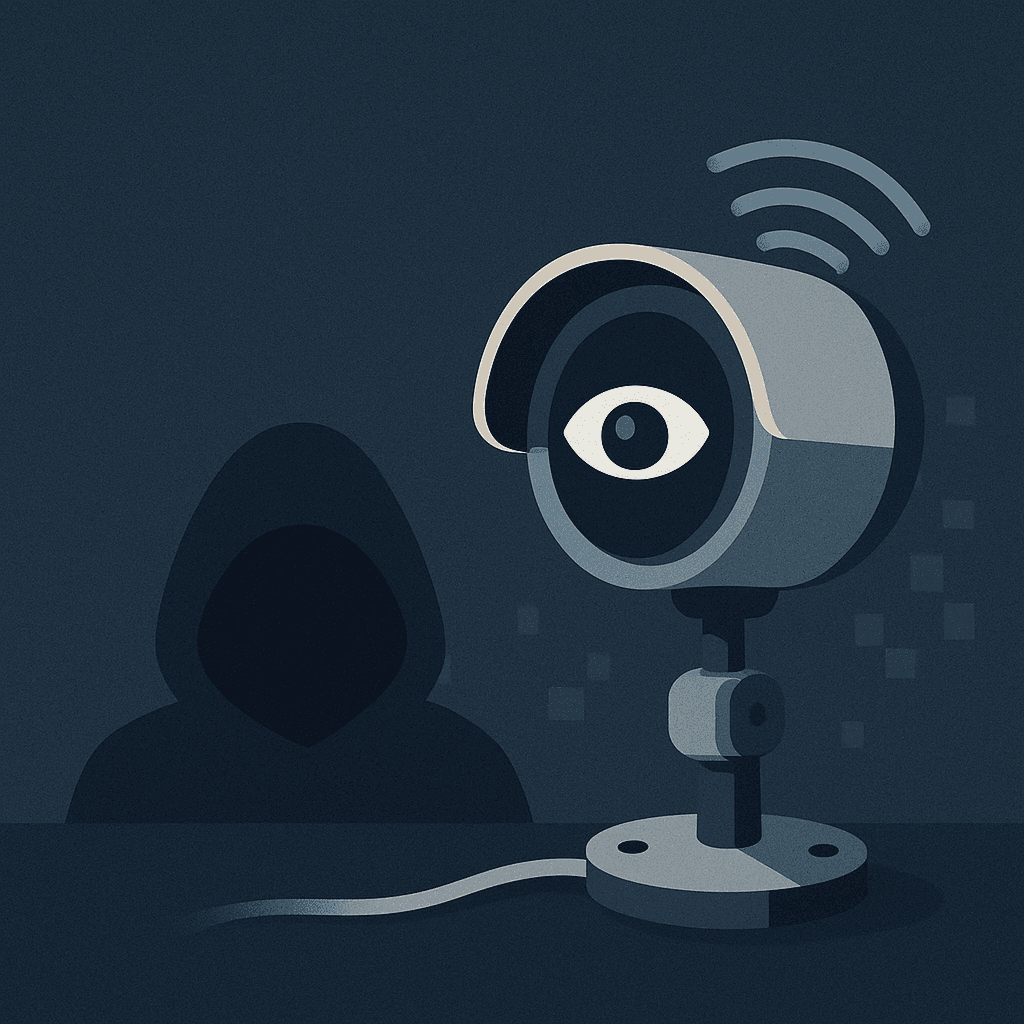
In 2020, a Mississippi family experienced a terrifying intrusion when their eight-year-old daughter heard an unfamiliar male voice coming from her bedroom. A hacker had taken control of their Ring camera, using it to speak and play music, until the parents hurried to unplug the device. Ring confirmed the breach was due to the family's use of an old, compromised password.
Incidents like this highlight the real dangers associated with smart cameras and connected devices, which have surged in popularity among homeowners and small businesses. These devices offer affordable and effective ways to enhance security—such as monitoring entrances, inventory rooms, or after-hours activity. However, without proper safeguards, they can expose your property to significant risks.
It's crucial to recognize that not all security cameras provide equal protection. Budget models often sacrifice vital security features like encryption and frequent software updates. Even reputable brands can be vulnerable if default settings remain unchanged. Hackers frequently exploit weak points including default passwords, outdated firmware, and unsecured WiFi networks. In some alarming cases, attackers have seized control of cameras to watch live footage or penetrate deeper into network systems.
If you're planning to purchase new cameras or reassess your current devices, make security your top priority. Opt for trusted brands that deliver regular updates, ensure the camera encrypts data before uploading it to the cloud, and select models supporting two-factor authentication for login security. Additionally, consider devices offering local storage options alongside cloud backups for added control.
Proper installation and configuration are just as important as the products you choose. Immediately change default usernames and passwords, and keep firmware and associated apps up to date to patch vulnerabilities promptly. Enabling automatic updates is the safest strategy for maintaining security. To further protect your network, isolate smart devices on a separate network from your core business systems. This segmentation prevents a compromised device from exposing critical data. Don't overlook your router—it must employ the strongest security settings to block unauthorized access.
While security cameras often take center stage, other smart devices like doorbells, thermostats, and voice assistants also connect to your network and require robust protection. For small businesses, these devices represent potential entry points that could lead to serious breaches involving client information, financial data, or other confidential assets. The more connected devices you have, the more critical it becomes to manage them diligently.
Smart technology can simplify operations and strengthen security when configured correctly. Taking a few deliberate precautions now can stop your "smart" devices from becoming easy targets for cyber attackers.
Concerned about your business device security? Don't wait for a breach to happen. Click here or call us at 435-313-8132 to schedule your free 10-Minute Conversation, where we'll help evaluate your setup before hackers do.